

Tanium, PwC Malaysia team up on cyber risk visibility
Thu, 26th Nov 2026 (Today)
Tanium and PwC Malaysia have formed a partnership to help Malaysian organisations manage risks linked to unmanaged devices, as survey data shows rising concern over cyber exposure among executives.
Under the arrangement, PwC Malaysia will act as a Tanium managed service provider and offer its Cyber Threat Operations service using live data from devices managed by Tanium. Together, the companies will deliver services including digital forensics and incident response, compromise assessments, cybersecurity health checks, and governance and advisory work.
The partnership targets a problem both firms say is becoming more visible in large organisations: many businesses lack an up-to-date view of every device connected to their networks. That can leave unknown, unmanaged, or non-compliant endpoints outside normal security controls.
Tanium's research across five ASEAN markets found that 43 per cent of senior IT and security professionals said more than one in 10 devices on their networks were unknown, unmanaged, or non-compliant. The study also found that 62 per cent had experienced operational disruption linked to endpoint issues.
Among organisations that measured the financial impact of those incidents, nearly half said losses exceeded USD $100,000, while some reported losses of more than USD $1 million. The findings suggest endpoint management is no longer just a technical issue, but a broader business risk.
That shift is also reflected in executive sentiment in Malaysia. PwC's 29th Global CEO Survey found that a third of chief executives in the country expected their companies to be highly or extremely exposed to cyber risks over the next 12 months.
The survey also found that 82 per cent said they would strengthen cybersecurity across the enterprise in response to geopolitical risk. PwC's 2026 Global Digital Trust Insights survey for Malaysia found that only 18 per cent of business and technology leaders said their organisations spent significantly more on proactive measures such as monitoring, assessments, and testing.
Managed services
Skills shortages remain part of the backdrop to the deal. PwC's findings show managed services are used by 31 per cent of organisations in Malaysia, below the 41 per cent average across Asia Pacific and 39 per cent globally.
PwC Malaysia's Cyber Threat Operations service is intended to give clients access to monitoring, detection, and response without having to build those teams internally. The service will draw on live endpoint data gathered through Tanium's platform.
Regulation is another focus. PwC Malaysia will support organisations in meeting obligations under the Cyber Security Act 2024 and the amended Personal Data Protection Act 2010, which have different scopes, regulators, and incident notification requirements.
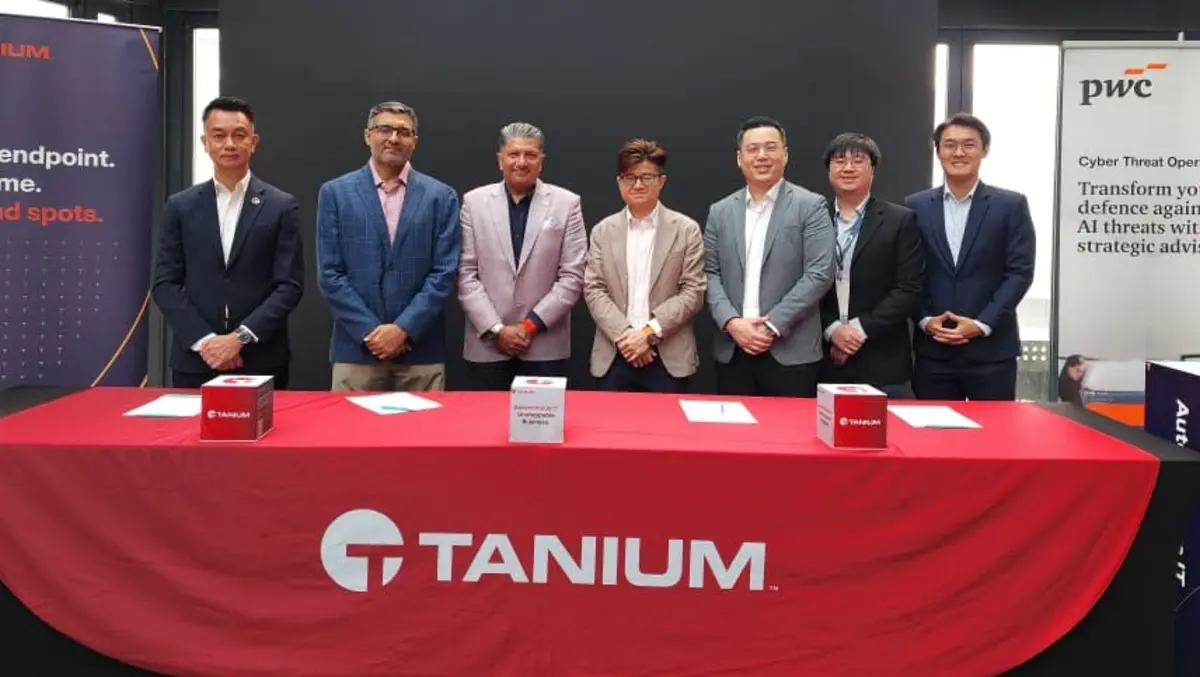
The agreement was signed in Kuala Lumpur by Satyen Desai, Regional Vice President, ASEAN, Tanium, and Clarence Chan, Partner and Digital Trust and Cybersecurity Leader, PwC Malaysia.
Desai linked the partnership to the need for boards to have better visibility over connected assets.
"Malaysian organisations are being asked to prove control, which starts with knowing what is connected. Our research shows the blind spots are already costing businesses across ASEAN real money. PwC Malaysia brings the forensics and advisory depth that turns endpoint data into a decision a board can act on," he said.
Chan said incident response and assurance work become harder when companies rely on outdated records of their technology estate. "The exposure our clients report and the visibility they actually have are different challenges altogether. You cannot investigate an incident, or provide the necessary assurance that stakeholders need, working from an asset list that is out of date. This partnership gives our teams live endpoint data to work from, and it gives clients access to skills that are often faster to acquire than developing talent in the market," he said.