

Google Cloud launches local data residency in Seoul
Mon, 22nd Jun 2026.webp)
Google Cloud has launched localised data residency for Google Security Operations in its Seoul Region, aimed at Korean organisations with data governance and residency requirements.
South Korean customers can now store and process security logs and analytical data within the Seoul Region when using Google Security Operations.
The change is likely to matter most in sectors facing tighter oversight, including financial services and the public sector, where data location and compliance rules often shape the adoption of security tools.
Google Security Operations is Google Cloud's cloud-based security operations platform. It combines threat detection, investigation and response tools with automation features and Google's Gemini models.
Local storage
By making the service available in Seoul, Google Cloud is seeking to address a common barrier for organisations that want to use cloud security tools but need data to remain in-country. All security logs and analytical data can now be handled locally for South Korean enterprises using the service there.
The launch also comes as South Korea's financial sector assesses how to use AI-based security systems under changing rules. Google Cloud said the Financial Services Commission is easing network separation rules for security-focused AI applications, potentially giving financial institutions more scope to use cloud software for vulnerability detection and defensive systems.
Security operations platforms help analysts collect and examine data from across corporate networks, identify suspicious activity and respond to incidents. In regulated markets, adoption often depends not only on technical performance but also on whether providers can meet local residency, governance and compliance requirements.
Google said its platform offers near real-time threat detection and contextual information for investigation and response. It also includes workflow tools for automated, playbook-based responses, alongside support for parallel actions and version control.
AI push
Google Cloud is also positioning the Seoul launch as part of a broader push to bring more AI into cyber defence work. It said the platform is designed to reduce manual work for analysts and help teams automate processes through drag-and-drop playbook tools.
For cloud providers, security products have become an increasingly important part of competition for regulated workloads. Local data handling arrangements can influence decisions by banks, insurers and public agencies that want cloud-based security monitoring but remain cautious about where sensitive logs and operational information are stored.
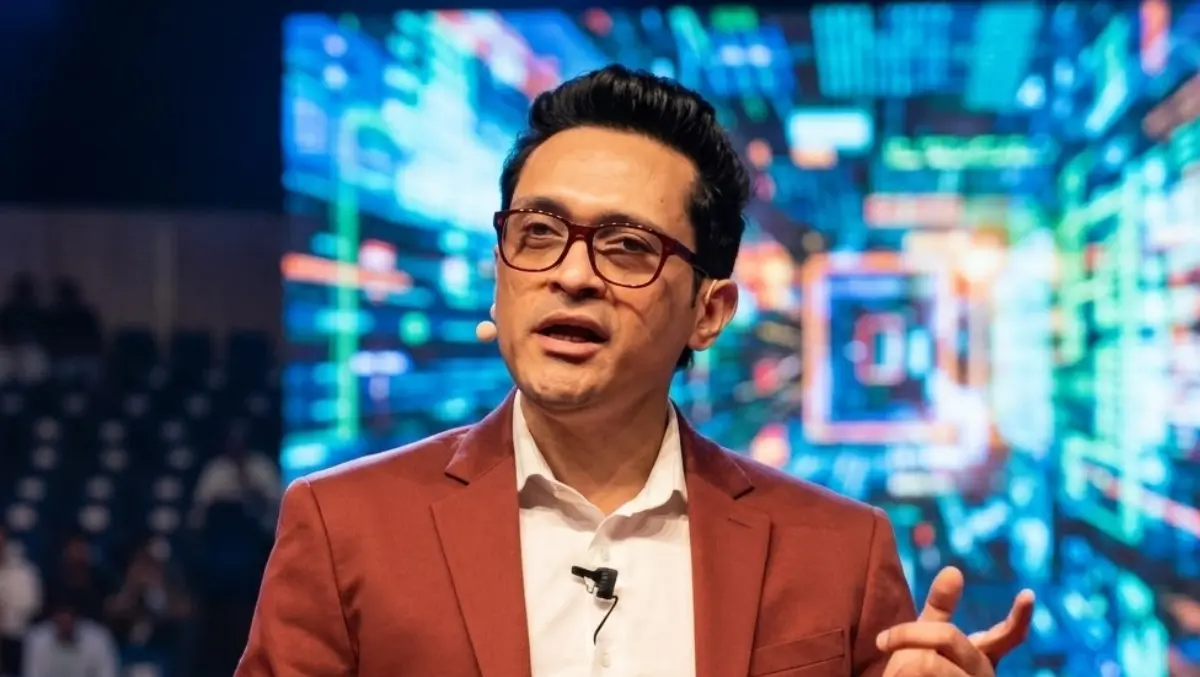
Jagdish Mahapatra, Managing Director, Google Cloud Security, JAPAC, described the launch as a significant step for the local market.
"The launch of Google Security Operations in our Seoul Region is a pivotal moment for cybersecurity in Korea. We are delivering Google's unmatched AI innovation and threat observatory directly to Korean organizations while meeting data sovereignty requirements. We're not just reacting to threats; we're enabling proactive cyber defense at unparalleled speed that can reduce investigation times from 30 minutes to just one. This is how we empower organizations to secure their future against evolving threats." said Jagdish Mahapatra, Managing Director, Google Cloud Security, JAPAC.
Alongside the product rollout, Google Cloud said it plans to work more closely with local partners including Bespin Global, LG CNS and Megazone Cloud. Those companies have established customer relationships and cloud implementation businesses in South Korea, which could help Google expand the service among large organisations.
Partner channels often play a central role in security deployments because customers typically need integration work, migration planning and ongoing operational support. In regulated sectors, local service providers can also help customers navigate internal risk reviews and implementation requirements.
The Seoul Region launch adds to a broader pattern across the cloud market, where global providers adapt infrastructure and product design to local sovereignty demands rather than relying solely on cross-border service delivery. For customers, the practical question is whether those changes are enough to allow adoption of cloud-based security operations without breaching internal policy or regulatory expectations.
Google Cloud said the Seoul deployment is intended to give Korean organisations a way to use its security operations tools while keeping security data within the country.