World Health Organisation stories
AI-enhanced simulation testing is transforming Australian healthcare by improving training and assessments, helping bridge skill gaps and boost patient outcomes.
Melbourne-based healthcare AI firm Heidi has raised USD $16.6 million to enhance its services, aiming to reduce clinicians' administrative burden and improve patient care.
New research reveals the undeniable potential of AI chatbots, like Wysa, to provide essential mental health support to expectant and new mothers.
Advancements in genomic sequencing and digital infrastructure are revolutionizing healthcare and accelerating research and collaboration.
The World Health Organization, Microsoft, and Avanade are partnering to develop a World Health Data Hub to streamline global health data.
The scam campaign comprised a network of 134 websites that attempted to lure people in by asking them to take a survey for a monetary reward.
Red Hat Open Innovation Labs virtual residency has helped the World Health Organisation (WHO) to create a DevOps platform for ongoing open innovation.
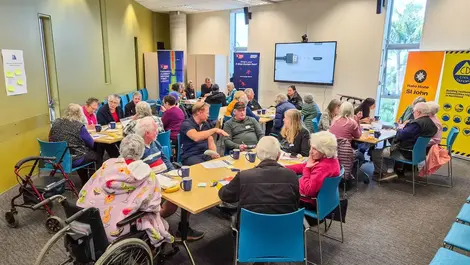
Nearly 30 older residents learnt simple preparedness steps as Northland councils and emergency services urged stronger community links before disasters.
A long-term US study finds recommended fluoride levels in drinking water do not harm cognition and may slightly improve school test scores.
AI-powered predictive risk scores are revolutionising disease prevention by enabling early detection and personalised health interventions before symptoms arise.
The partnership aims to help construction firms support autistic apprentices as employers face labour shortages and demand for skilled workers rises.
Jamie Norton, an Australian cybersecurity veteran, joins ISACA's Board of Directors for the 2024-2025 term, aiming to fortify global digital trust amidst growing cyber threats.
As children's lives become increasingly digitalised, health experts highlight the immediate need to balance screen-time with physical activity, combating sedentary habits and potential obesity risks.
Experts warn higher infections could hit vulnerable patients as masking and mandatory isolation are removed from New Zealand healthcare settings.
Mental health pressures are prompting builders to invest in tech and change work practices, with 45% reporting employee wellbeing issues.
Researchers say the city lacks health-focused planning, with low walkability and only 56 percent of residents near regular public transport.
New Otago University research shows New Zealand’s construction workers face more than twice the suicide risk of the wider workforce.
Property groups warn the proposal could let well-funded firms seek cuts, leaving the most vulnerable tenants with less support.
Ministry of Health backing for vaping as a quit aid is tempered by uncertainty over long-term risks and youth uptake.
Experts say missed warnings, weak global co-ordination and patchy vaccine logistics left the world exposed to COVID-19 and another outbreak.