Work-life balance stories
The seven-floor fit-out signals growing demand for hybrid-ready offices in Bangkok, with amenities aimed at attracting and retaining staff.
Survey findings suggest domestic chores are fuelling stress for many adults, with LG pitching smart appliances as a way to ease the burden.
People under stress, not just older adults, are most likely to miss scam warnings, with tiredness and financial strain among the biggest risks.
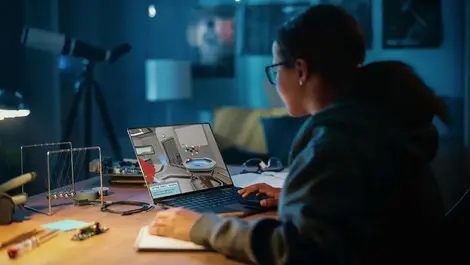
Students in online STEM courses are more likely to stay the course when virtual labs help them build hands-on confidence, Labster found.
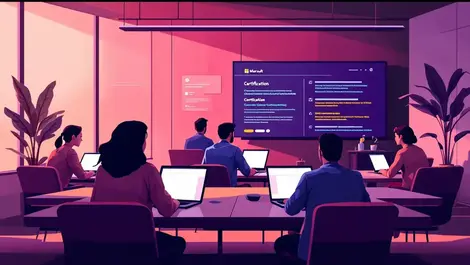
Working professionals can now prepare for Microsoft certification in half the usual classroom time, with online labs and self-paced follow-up.
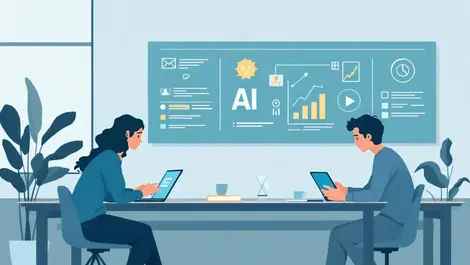
Boards are now judging AI on resilience and return on investment as firms embed it in security, tax and finance workflows.
The award could aid recruitment as the security company expands its certified workplaces across North America, Europe, Africa, Asia and Australia.
Parents facing school emails, letters and chat messages can now turn them into child-specific reminders as the new term begins.
Routine design admin is where AI is already easing pressure on architects, leaving more time for judgement, care and client work.
Parents worried about privacy and scams may get separate AI profiles, while TrendLife tests a new family-focused subscription starting at AU$16.50 a month.
Australian founders are losing time worth more than AUD $92 billion a year to routine admin, dragging on productivity and growth.
More than two in five Irish professionals now fear AI could affect their jobs, even as most remain confident their skills will still count in three years.
AI worries are prompting more Irish workers to upskill as 41% fear their roles could be affected, a survey found.
Job cuts and AI investment are reshaping Atlassian's priorities, as its new Sydney tower approaches completion.
Work-life balance now outweighs pay for Indian jobseekers, with 46% planning to switch employers within six months, Randstad found.
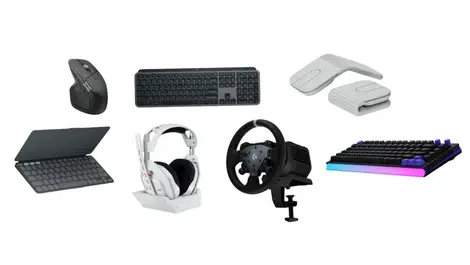
Remote workers and gamers are the target as Logitech's Father's Day guide spans portable office tools to AUD $1,199.95 sim racing gear.
A quarter of office staff fear losing jobs to AI, as new research suggests digital colleagues could become commonplace in Ireland within three years.
Paperwork is driving rapid adoption, with most Australian clinicians using AI daily and many doing so without formal guidance.
Young creators working with SuperAwesome will gain mental health support, while brands get tighter safeguards for child audiences.
The veteran sales chief says biometrics and payroll integration have reshaped workplace systems since he joined Tensor in 1986.