Scams stories
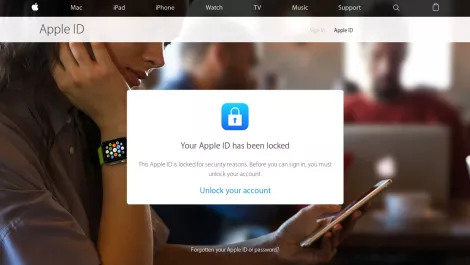
Victims who give the scammers access to the verification codes would then be locked out of their own account and lose access.
Action Fraud UK is warning people to be wary of any emails they receive that look like they belong to UK university email addresses.
Like phishing, SMiShing are scams that encourage users to urgently click on a link or respond directly with their personal and sensitive details.
Cybercriminals are reaping the benefits of the cryptocurrency hype, bringing in millions of dollars through fake exchanges and fake ICO offers.
It says scammers are increasingly taking the opportunity to impersonate NBN employees to take advantage of consumers.
Singapore's Cyber Security Agency highlights a surge in disruption-focused cyber threats in 2017, urging stronger defences amid rising cybercrime cases.
Barracuda's SVP shares some startling new research - 80% of EMEA organisations faced an email attack last year, while 73% believe they're increasing.
Email fraud attacks surged 55% last quarter as criminals focus on targeted strikes, with real estate firms among the hardest hit, reports Proofpoint.
Singapore's Personal Data Protection Commission (PDPC) is vowing to better protect consumers from spam and telemarketing messages.
The New Zealand Telecommunications Forum has released a draft Scam Calling Prevention Code to standardise processes and combat scam calls across major telcos.
Re:scam, an AI chatbot developed by Netsafe, is wasting scammers' time with endless questions to protect potential victims.
Long hours increase susceptibility to phishing in Australian workplaces. Learn to identify and counteract scams at all organisational levels.
Email marketing giant MailChimp is the latest large enterprise to initiate a crackdown on cryptocurrency and ICO-related promotions.
Of course, identity theft isn't a purely online phenomenon. Criminals can use details found in the post or from discarded documents.
A new research report further supports the stark reality of just how many scammers are trying their luck on New Zealanders.
The first three months of 2018 were busier than ever for cybercriminals, who managed to steal $2.9 million from New Zealanders.
Commuters will now be able to 'tap on' with credit cards or digital wallets, but they might be opening themselves up to security threats in doing so.
Scammers stole $340 million from Australians in 2017 – ACCC says this is the biggest loss ever recorded on its books.
New Zealanders from 'all walks of life' reported 1131 cybersecurity issues ranging from cryptocurrency scams to phishing in 2017.
Australian Tax Office warns of cryptocurrency scam demanding Bitcoin payments for fake tax debts, with losses of over $50,000 reported.