Resilience stories
Airports across Asia and the Middle East are facing a sustained spending cycle as passenger numbers rise and capacity pressures mount.
AI data centres in Southeast Asia will get extra power protection as abrupt GPU load swings strain batteries and grid connections.
Compliance hurdles are stalling 43% of enterprise AI projects, as stricter sovereignty and cyber rules reshape Australian infrastructure plans.
It gives infrastructure teams rack-level visibility and control as demand rises for remote power monitoring in dense data centres and edge sites.
Service providers could cut disruption and transit costs as infected routers and cameras are blocked from launching botnet attacks on the internet.
Banks and merchants face fresh fraud risks as the council's Kuala Lumpur meeting weighs how AI is changing payment security.
Shorter certificate lifespans are forcing Australian and New Zealand businesses to automate renewals or risk outages and security gaps.
His hire underscores Rackspace's push to help regulated customers move AI into production with tighter governance, control and accountability.
Enterprises can now shift more Oracle workloads into AWS as the joint database service expands to 22 regions with a lower-cost Exadata option.
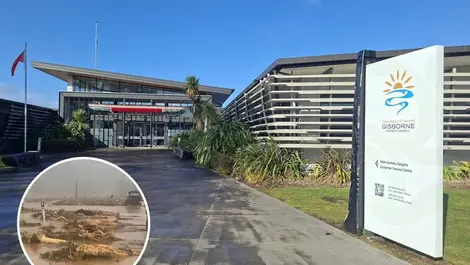
Severe weather clean-up costs in Tairāwhiti have been eased, with Gisborne District Council securing the largest share of a new grant.
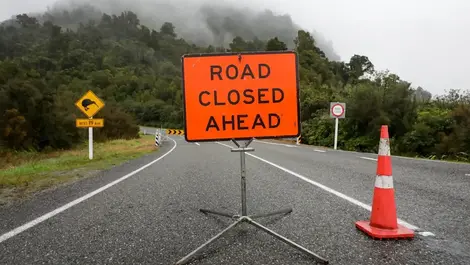
Funding shortfalls could force West Coast councils to revert roads to gravel, leaders warn, as tourism and freight access come under pressure.
Flood damage in Kaikōura has bolstered council scrutiny of a proposed Ocean Ridge expansion after modelling was shown to match the July deluge.
Rack-level power monitoring is being pushed further into edge and branch sites as demand rises for cloud, AI and distributed workloads.
The move opens the network to aerospace, defence and industrial firms grappling with the same software, security and systems challenges as automakers.
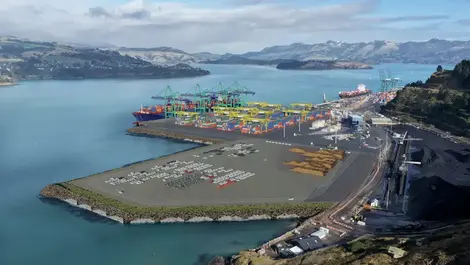
The upgrade will lift capacity for South Island exporters and add resilience, but customers will face higher charges at the port.
Winter conditions could force transit agencies to size battery-electric bus fleets and chargers far beyond summer needs, McGill found.
Its lending software has helped customers scale loan volumes without adding staff, underpinning 92 per cent revenue growth over three years.
With just 22% of large manufacturers prioritising it, spending on connected production is lagging even as Industry 5.0 grabs attention.
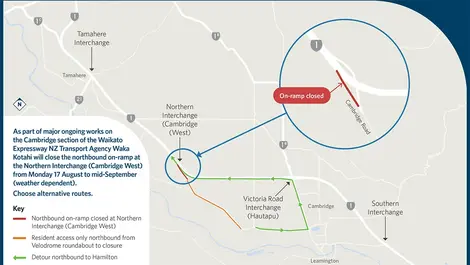
Motorists should brace for up to 20-minute delays as the next stage closes the Cambridge West northbound on-ramp and shifts traffic.
The deployment will give New Zealand crews urgent experience as unprecedented blazes threaten the US north-west and western Canada.






.webp)


.webp)