Physical Access Control stories
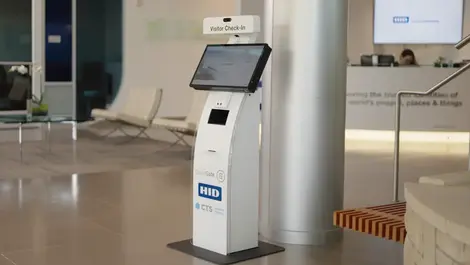
Visitors at large sites may face tighter identity checks as the new kiosk links document scanning, face matching and badge issuance in one step.
Workplaces can now use one mobile badge for doors, sign-on and printing, reducing separate enrolment and issuance for each system.
Completion in the fourth quarter of 2026 would leave Gunnebo focused on safe storage, while ASSA ABLOY expands its access systems offering.
The shift could leave sites exposed unless firms match cyber defences with repeated identity checks at doors and restricted rooms.
EU backers are seeking €74.3 million to roll out a system that proves a person was present without exposing personal data.
The filing could help organisations prove attendance or access without collecting names or locations, as Europe tightens digital identity rules.
It aims to help large organisations spot hidden control risks as roles, credentials and delegated access combine across fragmented systems.
Security teams can shape next year's benchmarking report as Gallagher seeks wider input on shifting priorities, budgets and technology adoption.
Pressure to avoid vendor lock-in is pushing Australian organisations towards open access systems that can adapt as security needs change.
Businesses risk building outages and wider network breaches unless they secure internet-connected systems, Restore Information Management has warned.
Busy reception desks will no longer need to inspect papers manually, as the kiosk adds timestamped identity checks for compliance-heavy sites.
As flex space grows, operators are turning their floors into recurring managed-network and security contracts for MSPs and integrators.
Thousands of tenants and visitors at 101 Collins Street now use phones for entry, cuts access administration from days to minutes.
Organisations are pairing biometrics with layered access controls as cyber and physical threats converge inside data centres and other sensitive facilities.
Security teams and IT departments are being pulled closer together as access control becomes part of wider digital infrastructure.
Rising cyber threats and hybrid work are pushing Australian employers to replace scattered badges, passwords and tokens with one credential.
Continuous verification is becoming vital as organisations blend biometrics and Zero Trust to stop unauthorised access to buildings and data.
Unlogged contractors can expose store networks to intrusion, prompting Australian retailers to adopt digital visitor controls and audit trails.
The update should cut manual access approvals and give organisations clearer reporting from their security systems, while improving accessibility.
New government guidance warns mega data centres are now critical infrastructure, with a single breach risking banking, logistics and communications.