Notifiable Data Breaches stories
One Identity and Secureworks executives Alex Tilley and Serkan Cetin have released what they see coming for cybersecurity in 2019.
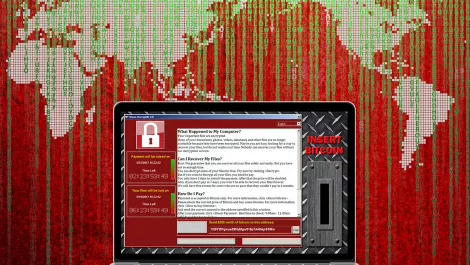
Ransomware has evolved to be more sophisticated and targeted, and remains a threat to businesses of all sizes.
Amateur cybercriminals (or anyone with a grudge), can execute spam attacks, steal people's identities, and more.
It is paramount for organisations to have a clear understanding of what data protection is and close the gaps in their protection strategies.
As cyber regulations tighten in 2018, companies face mounting pressure to prove their security measures are effective and compliant with varied global laws.
Australia's new mandatory data breach disclosure laws impose strict reporting requirements on MSPs, ensuring better data protection and accountability.
Only half of companies know where their sensitive data is stored, finds research by Gemalto, who surveyed 1,050 IT decision makers and 10,500 consumers.
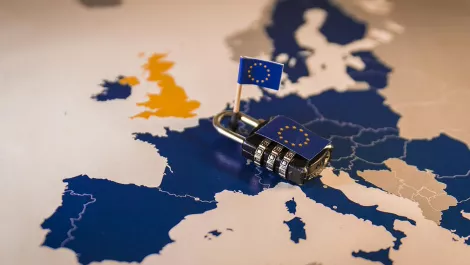
Earlier this year, the Australian government implemented the mandatory Notifiable Data Breaches (NDB) scheme, and recently Europe launched its GDPR.
Businesses need a solution that helps manage compliance and audits while making it simple for the right people to access the data they need.
Cyber attacks could cost Australian businesses up to AU$29bn per year, equivalent to 1.9% of Australia's GDP, according to a report by Frost & Sullivan.
In light of Australia's NDB legislation, one Australian technology integrator says we can expect to see many reports surfacing over the coming years.
Australian and New Zealand businesses struggle to balance cybersecurity and government regulation, warns Centrify.
The OIAC received 262 notifications in the three months, the highest number since the commencement of the NDB scheme.
40% of businesses say their employees receive between one and five phishing or ransomware attacks every quarter.
There was a renewed global response to data security in 2018, placing pressure on organisations to assume more responsibility for the data they hold.
Around 30% of Australian businesses feel more vulnerable to cyber attacks than global counterparts, with many doubting their ability to prevent breaches.
The Office of the Australian Information Commissioner has been notified of 245 data breaches affecting personal information between July and September 2018.
A new HP study reveals Australian SMBs are not prioritising data privacy, even as 46% report customers opting out of data sharing due to security concerns.
By following these six key steps, organisations can better protect themselves and ensure their underlying IT infrastructure is as secure as possible.
Australian organisations should be looking at their ICT security as part of their planning process for the new financial year.