Deepfakes stories
A Regula survey reveals that over half of Singaporean companies face deepfake fraud, with 56% experiencing audio scams, sparking global concerns.
Web threats in Singapore dropped year-on-year in Q2 2024, with 1.1 million threats detected on Kaspersky Security Network users' computers, landing the country 38th globally.
Threat report shows that within the consumer threat landscape, a popular delivery technique is hiding ransomware payload in pirated content.
Gen's Q2/2024 Threat Report reveals a dramatic 46% rise in cyberattacks, driven by sophisticated AI scams and ransomware, with over a billion attacks thwarted monthly.
As AI grows, data privacy is a growing concern. Tech leaders like Meta and Microsoft race for AI dominance, while Affinidi champions data ownership with Holistic Identity.
Optus's Call Stop saved Australians an estimated USD $250 million from scams, blocking 23 million calls and 36 million SMS last quarter in a major anti-fraud initiative.
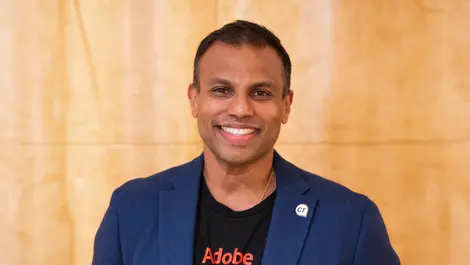
Adobe's Chandra Sinnathamby has stressed the company's commitment to responsible innovation in AI, focusing on transparency, trust, and sustainability.
Kaspersky warns that AI's growing accessibility is enabling cybercriminals to launch sophisticated attacks, making robust AI defences crucial.
Beyond Identity's RealityCheck enhances Zoom security, combating AI deception and deepfakes with robust identity and device verification, ensuring safe digital interactions.
Trend Micro has enhanced its platform to tackle AI-based deepfake fraud, addressing rising security threats as criminals increasingly adopt AI technology.
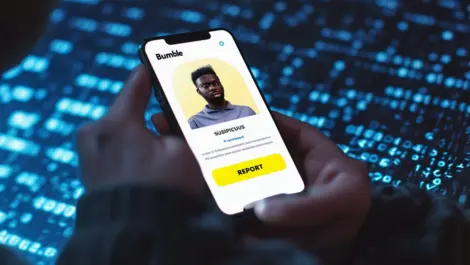
Bumble introduces new tool for users to report AI-generated profiles amidst rising concerns over authenticity and internet love scams in the growing AI-era.
ReliaQuest's latest report reveals cybercriminals are exploiting ChatGPT and other AI tools to create near-perfect phishing emails, achieving a 2.8% success rate.
Bitdefender reports a surge in AI and deepfake tech use by fraudsters on social media, promoting fake health supplements and miracle cures, targeting millions globally.
AI safety expert Justin Olive is urging immediate action to address the rising challenges in AI safety, highlighting the need for strong regulatory frameworks.
As deepfake technology proliferates, businesses must safeguard employees against emerging scams, highlighted by a recent US$25 million fraud case in Hong Kong.
The UN's new Global Principles for Information Integrity aim to curb online misinformation and hate speech, facing critique for not addressing deepfakes.
Trend Micro has launched the Trend Micro Check app in Australia, using AI to help consumers fight online scams and deepfake threats effectively.
GenAI's rapid evolution is enabling cybercriminals to launch more sophisticated social engineering attacks, posing rising threats to Australian businesses.
McAfee launches Australia's first AI-powered Deepfake Detector on select Lenovo PCs, aiming to curb scams and misinformation for worried Australians.
The King's Speech lacked the anticipated new AI Bill, sparking mixed reactions and highlighting the UK's focus on cyber security over comprehensive AI legislation.