Decarbonisation stories
Most energy professionals in Southeast Asia expect AI to aid the transition, but data gaps, costs and grid strain remain major hurdles.
The region's clean power shift is being slowed less by missing kit than by financing and operational hurdles that stall adoption at scale.
Customers could cut carbon and waste more easily as Verdantix praised Blue Yonder for embedding sustainability data into supply chain planning and execution.
The move gives Cummins earlier access to startups as it hunts for technologies to support electrification, energy systems and industrial decarbonisation.
Profitability and a new financing war chest put the Berlin clean energy company on firmer footing as it expands across Europe.
Grid constraints could determine whether Australia wins a share of the region's fast-growing AI data centre investment, the paper says.
The repositioning aims to win over energy-hungry manufacturers and data centres by promising real-time savings without replacing existing systems.
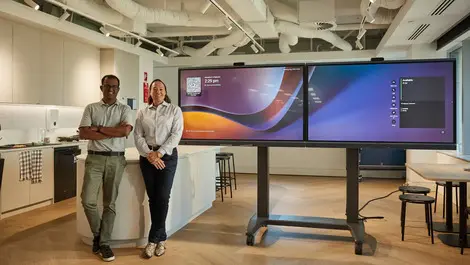
The Perth site can now host up to 50 people in clearer meetings, with the new mobile setup also reducing travel for remote discussions.
Nearly 40% of firms have delayed growth plans as volatile power costs and supply fears squeeze investment across Australia and New Zealand.
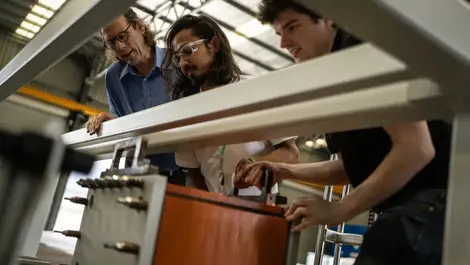
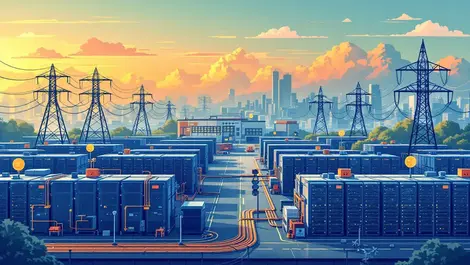
Pilot flow battery systems are set for Australia as Allegro gains manufacturing scale for long-duration storage demanded by grids and data centres.
Profitability improved as the Australian branch widened into New Zealand and Seoul, while first-half group earnings also rose.
The cattle technology company plans to expand across markets as tight US herd supplies and demand for beef boost its digital trading platform.
Industrial and commercial firms can now access Bryt Energy's flexibility services without changing supplier, after its new wholesale market status.
Rising electrification demand is driving a bigger build-out of New Zealand's grid, with approved projects set to lift capital spending further.
A shift to renewable-powered computing could save millions of tonnes of carbon and unlock billions of dollars in investment, new research says.
Regional AI computing hosted in Australia could avoid millions of tonnes of emissions while drawing up to AUD $52 billion in fresh investment.
Growing AI power demand is forcing data centres to curb workloads and shift them to cheaper times as grid strain tightens expansion.
Rising electrification is forcing New Zealand distributors to prioritise grid resilience, data and investment planning as demand outpaces upgrades.
A proposed Timberlea station could spur housing and retail growth in Upper Hutt if councillors agree to fund a feasibility study.
Rising demand for reliable grid support and data centre power is drawing private equity into OFS, with Exponent set to back its expansion.