AI Data stories
Stronger leasing and higher occupancy in Jakarta's offices, malls and warehouses signal a broad property recovery despite cautious pricing.
Pressure is mounting on Singapore data centre operators to secure low-carbon power as Equinix adds another solar deal and lifts its local portfolio.
The ranking bolsters Everpure's pitch that storage vendors must help customers tame fragmented data for AI, not just sell hardware.
The sale has spotlighted a new class of AI training assets, with customer-service records now valued at more than USD $10 million.
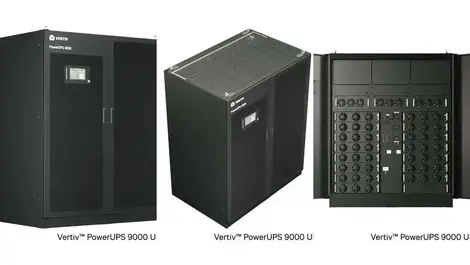
AI data centres in Southeast Asia will get extra power protection as abrupt GPU load swings strain batteries and grid connections.
Delivery bottlenecks, rather than demand, are now the main risk as AI-fuelled data centre expansion pushes revenue to USD $120 billion by 2030.
AI infrastructure spending is now expected to push worldwide data centre capital expenditure above USD $3 trillion by 2030.
The validation could help data centre operators choose cooler fluids that cut maintenance risk as AI hardware packs more heat into racks.
Pressure is mounting on data centre operators as AI workloads push chip temperatures higher and make liquid cooling more urgent.
Rising AI heat loads are pushing data centres towards liquid cooling, as Echelon and Trinovium begin work on fluids and monitoring.
The deal gives RT-One a way to validate AI infrastructure and start serving customers before its campuses are finished, cutting launch delays.
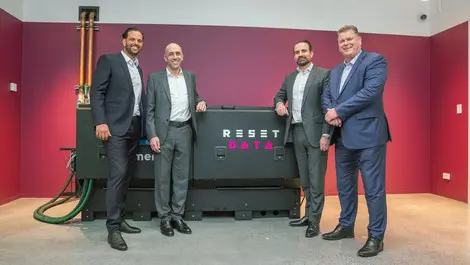
The combined design could cut installation costs and copper use sharply as operators race to build more efficient AI data centres.
Ransomware victims jumped 49% in July as organisations also endured 2,336 weekly cyberattacks and widening AI data exposure.
Rising AI infrastructure spending is set to push the global data centre semiconductors market to USD $1.8 trillion by 2030, Dell'Oro says.
The tie-up could unlock financing for AI data centres as demand for computing power outstrips the balance sheets of cloud providers.
Customer demand is outstripping near-term AI compute capacity as the pair line up power, data halls and GPUs to speed deployments.
Rising losses and tighter underwriting are forcing insurers to treat data centres as mission-critical infrastructure rather than specialist property.
Australian organisations could soon keep more AI workloads onshore as SCX.ai and DDN add capacity aimed at faster, sovereign inferencing.
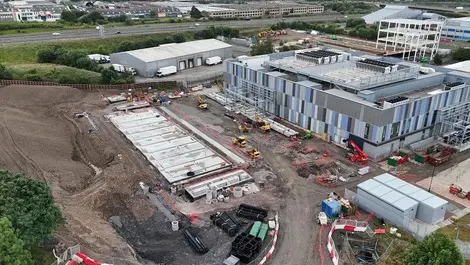
The funding backs Scotland's first AI Growth Zone, with two sites set to create hundreds of jobs and cut reliance on overseas compute capacity.
Growing use of cloud and AI is driving demand for local processing, as the sector warns New Zealand risks relying on offshore systems.