Access Control stories
It aims to cut delays and keep access approvals inside audited tickets, instead of forcing IT teams to move between separate systems.
The approval widens Gallagher Security's access-control options for government, defence and utilities customers needing NPSA-recognised hardware.
Shadow AI is driving higher breach and compliance risks, with exposed firms incurring around $670,000 more in data-breach costs.
The free upgrade should let cloud administrators tighten access controls and fix blocked traffic faster across larger Google Cloud estates.
The launch aims to help firms curb AI-driven exposure of sensitive information by linking data discovery, analytics and protection in one tool.
Three-quarters of AI assistant use was unsanctioned, underscoring why enterprises are turning to tighter controls as adoption jumps nearly 1,000% year on year.
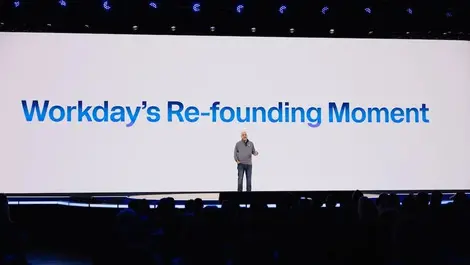
Its AI-first overhaul has cut layers, sped product cycles and left the company betting that startup-style speed can still serve Fortune 500 customers.
Enterprises under pressure from alert overload may gain faster incident as the platform ties AI recommendations to strict human approvals and audit trails.
The tool is designed to cut outage risk and compliance headaches by letting operators automate routine tasks while approving only higher-risk actions.
The deal gives Workday a way to tie access controls to hiring and departures, reducing manual oversight as firms deploy AI agents.
Teams can save time on tickets, incident summaries and cloud cost checks, but production changes still need named human approval.
As organisations roll out passkeys beyond pilots, the alliance gains enterprise input on interoperability, recovery and lifecycle management.
As AI pipelines spread data across jurisdictions, rigid architectures are turning compliance into a costly risk for enterprises.
The platform is designed to help firms expose and protect sensitive data as AI assistants and machine identities widen access paths across systems.
Attackers are using AI to speed up, scale and automate probes, forcing organisations to tighten governance, data flow and incident testing.
Autonomous systems are exposing governance gaps, leaving companies scrambling to monitor access, review decisions and curb machine-speed attacks.
A months-long detection gap has exposed how AI agents and other non-human identities can reach sensitive systems before anyone notices.
Customers can now start building AI agents from USD $50 a month, as DigitalOcean bundles runtime, tools and storage into fixed plans.
It gives IT teams a single policy layer to monitor unsanctioned AI use and approve high-risk changes before they are made.
A cyber breach can now distort ad spend, customer data and campaign performance if businesses fail to lock down marketing systems.