

Visa to buy BioCatch in USD $2.4 billion cash deal
Wed, 5th Aug 2026%201.webp)
Visa has agreed to acquire BioCatch for USD $2.4 billion in cash, adding a fraud intelligence specialist to its security and risk business.
BioCatch develops software that analyses behavioural, device and network signals to identify suspicious activity during digital banking sessions. Its systems monitor data points such as keystrokes, touch gestures and device handling to distinguish legitimate users from fraudsters in real time.
The acquisition comes as banks and payment groups face rising account takeovers, scams, money mule activity and application fraud. BioCatch's technology is intended to help clients detect and stop threats before a payment is made.
Founded in Israel, BioCatch says it protects 1.8 billion devices and 760 million users worldwide. It serves more than 350 banking clients across 21 countries, including more than 100 of the world's largest banks.
For Visa, the deal expands a broader push into cyber security, identity, authentication and fraud prevention. The company has been building products beyond its core payments network as financial institutions seek tools to address fraud earlier in the customer journey, including at account opening and during online banking sessions.
Visa says it has invested more than USD $13 billion in technology and infrastructure over the past five years to safeguard the payments ecosystem. That spending has covered network security as well as products designed to help clients identify vulnerabilities and manage financial crime risks.
Fraud pressure
Account takeovers and scams cost the global economy more than USD $1 trillion each year, according to Visa. The company also pointed to criminals' use of artificial intelligence to increase the scale and speed of attacks against consumers and financial institutions.
Behavioural analysis has become an increasingly important part of fraud detection because it examines how a user interacts with a device rather than relying only on static credentials or transaction data. Banks use such systems to assess whether a customer appears to be acting normally, under coercion or with signs of automated interference.
BioCatch says it continuously collects more than 3,000 anonymised data points during user sessions on digital banking platforms. It also operates intelligence-sharing networks between institutions, which it says improve the accuracy of risk scoring across its customer base.
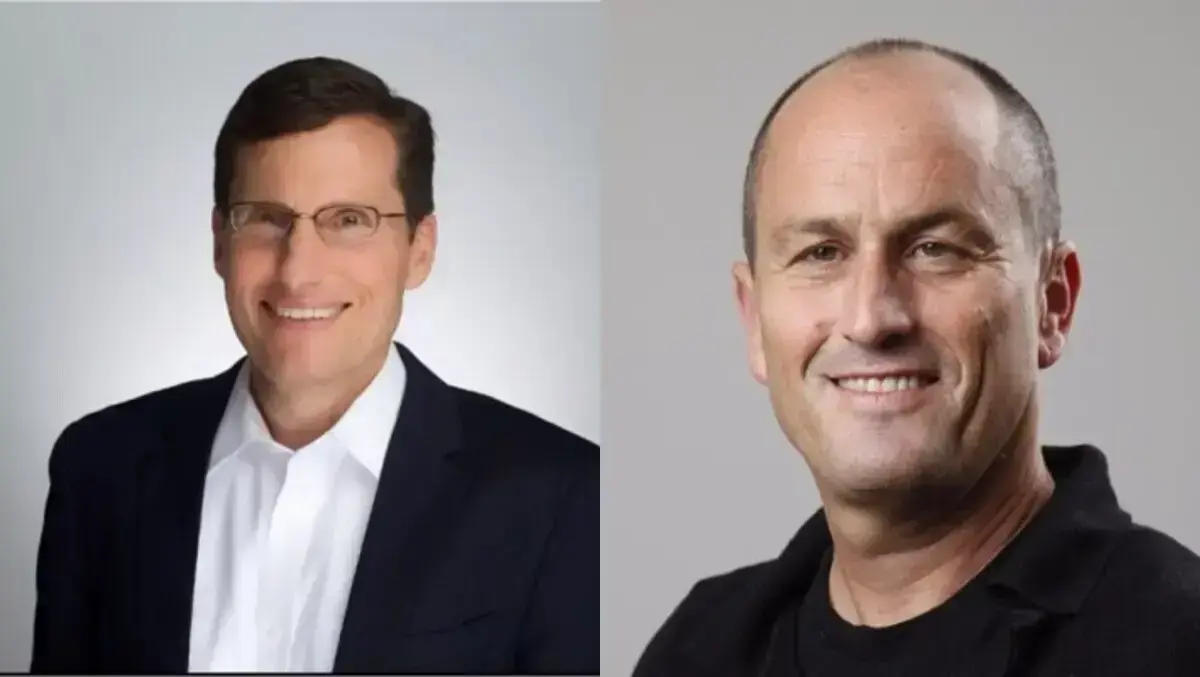
Andrew Torre, President of Value-Added Services at Visa, described the deal as part of a broader plan to address cyber threats before they reach the payment stage.
"Account takeovers and scams cost the global economy over $1 trillion annually and AI is enabling these attacks at unprecedented scale," Torre said. "BioCatch will help our clients stop fraud before it reaches the point of payment. This acquisition is part of our strategy to help clients prevent cyber threats upstream, building trust into every transaction."
Strategic fit
The proposed acquisition also reflects consolidation in the market for fraud prevention and digital identity tools. Payment companies, banks and technology suppliers have been expanding in this area as they seek to combine cyber defence, customer authentication, biometrics and transaction monitoring.
Visa says adding BioCatch would complement its existing cyber, fraud, risk and security offerings. The company has also been developing artificial intelligence tools of its own, including an open-source security product intended to help clients find and address software vulnerabilities at scale.
Permira-advised funds are among the sellers in the transaction, alongside other shareholders. The agreement is subject to customary closing conditions, including regulatory approvals.
Visa expects the transaction to close by the end of its fiscal second quarter of 2027. Until then, both businesses are expected to continue operating separately.
Gadi Mazor, Chief Executive Officer of BioCatch, said the combination would support the company's work with financial institutions during digital banking sessions.
"Real-time insights into customer intent continue to grow increasingly essential for institutions to establish trust within digital banking sessions," Mazor said. "For more than a decade, we've demonstrated behaviour's unique ability to distinguish the criminal from the legitimate. In the last couple of years, we've shown how real-time intelligence-sharing networks between our customers can further amplify the power of our behavioural intelligence. Together with Visa, we're even better positioned to advance our mission of making the world a safer place to transact and protect consumers from financial crime."