

AI sprawl to create waste as firms chase tools, not trust
Thu, 15th Jan 2026%201.webp)
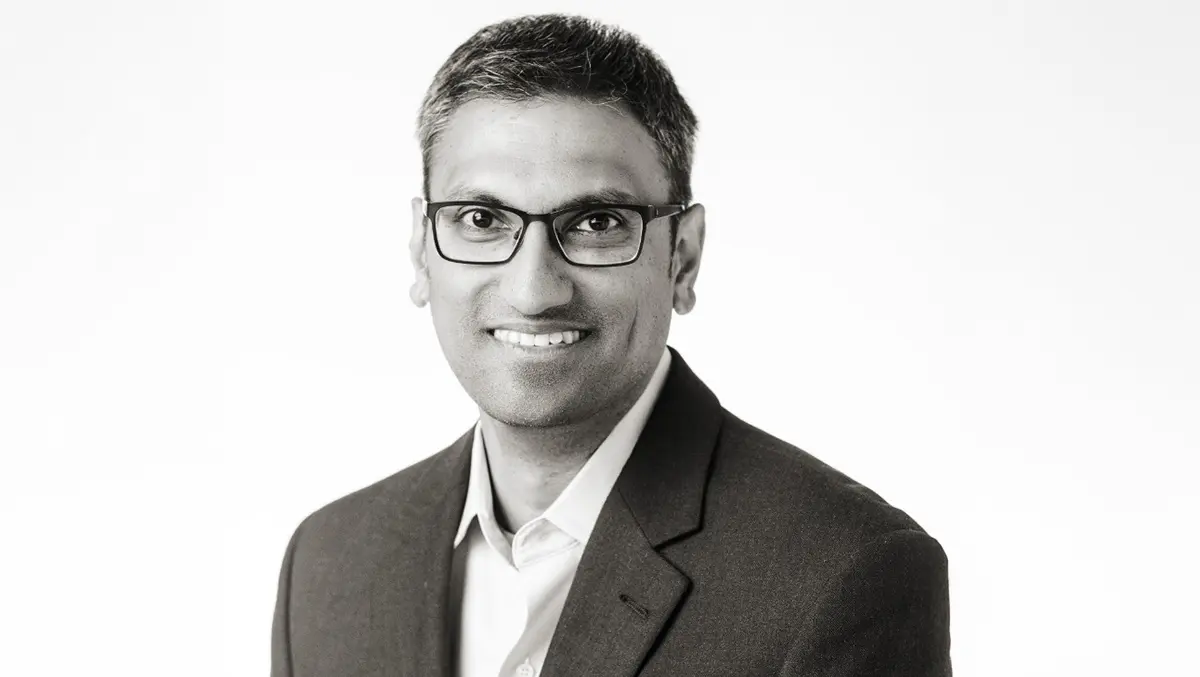
Nintex Chief Product and Technology Officer Niranjan Vijayaragavan has warned that "AI sprawl" will become a major source of enterprise waste as organisations deploy multiple generative AI tools across departments without coordination or governance.
In a set of predictions focused on 2026, Vijayaragavan said companies increasingly stack new AI products on top of already fragmented software-as-a-service environments. He said the approach adds cost and risk. He also said it creates more work for teams that need to validate and reconcile outputs from different systems.
Tool Proliferation
Vijayaragavan said many organisations now treat generative AI adoption as a series of departmental purchases rather than a business-wide operating change. He said that leaves governance gaps. He said it also leaves gaps between AI tools and the core business processes that organisations rely on for approvals, service delivery, and compliance.
He said the impact shows up in inconsistent data, fragmented workflows and unclear accountability. He said teams then spend time validating decisions and managing exceptions. He described this as a shift of work rather than a reduction in it.
"The rush into generative AI is creating a new class of inefficiency: AI sprawl," said Niranjan Vijayaragavan, Chief Product and Technology Officer, Nintex.
Vijayaragavan said organisations deploy multiple AI tools "often without coordination, governance, or a clear connection to core business processes". He said AI then gets layered onto existing software estates. He said this adds "new costs, new risks, and new fragmentation".
Governance Shift
Vijayaragavan said the next phase of enterprise AI will put greater weight on governance that sits inside operating structures rather than in standalone policy documents. He said 2026 would shift executive focus away from whether AI systems work and toward whether organisations can defend AI-influenced decisions.
He said this pressure will come from internal accountability demands and rising regulatory scrutiny. He said boards and executives will require traceability when AI influences approvals, financial decisions, customer interactions and compliance outcomes. He said auditors and risk teams will ask for clear evidence of why a decision happened, what data was used, who approved it and what controls existed.
"As AI becomes embedded in core business operations, governance will move from a policy discussion to a structural requirement," said Vijayaragavan.
He said that in 2026, "the central challenge for organisations won't be whether AI works, but whether its decisions can be trusted, explained, and defended". He said AI systems that sit outside governed processes will not meet the expectations of regulators, auditors and risk teams.
Automation Focus
Vijayaragavan placed automation at the centre of AI governance. He said automation can embed audit trails, approvals, permissions and checkpoints into workflows. He said this makes AI usage more auditable and consistent across an organisation.
"Automation will become the mechanism that makes AI governable at scale," said Vijayaragavan.
He said automation will evolve beyond efficiency initiatives. He said it would act as a safeguard for enterprise AI. He said organisations that embed AI in "automated, orchestrated processes" will move faster without losing control, compliance, or trust.
Process Engineering
Vijayaragavan also argued that organisations will reassess how they pursue efficiency. He said many companies have tried to buy efficiency through tools. He said they add new SaaS applications, AI functions and automation software on top of existing operations. He said this can fail when organisations lack a clear view of how work happens across teams and systems.
He said many processes remain undocumented and inconsistent. He said that makes improvement difficult. He said transformation programmes stall when organisations do not know where work slows down, where data gets duplicated, or where decisions break. He said automation can then codify existing inefficiency. He said AI can amplify it.
He said leaders will demand greater process visibility before approving new technology investment. He also said process mapping and modelling will become a strategic requirement rather than a documentation exercise.
"For years, businesses have tried to buy efficiency through tools: new SaaS applications, AI capabilities, and automation technologies layered onto existing operations," said Vijayaragavan.
He said that by 2026, "technology alone cannot deliver efficiency if organisations don't first understand how work actually gets done". He said the most efficient organisations will treat process intelligence as foundational infrastructure. He also said some processes may be reworked for "an AI and Automation-first model" before teams apply AI to high-impact workflows.
"The organizations that succeed with AI will be those that step back and address sprawl first: consolidating tools, standardizing processes, and rebuilding AI on a unified automation backbone," said Vijayaragavan.
He said other organisations "will spend the year rationalising tools, unwinding redundant AI investments, and cleaning up a costly mess that could have been avoided".