

AI reshapes Singapore tech hiring as pay stays high
Fri, 15th May 2026
Artificial intelligence is changing technology roles in Singapore by automating tasks rather than eliminating jobs, with the biggest shift in software and data-focused positions, according to Hays.
Its Tech Talent Explorer found that cloud specialists, data engineers and AI engineers are among the roles with the highest relative exposure to AI-led change. Even so, the overall effect was modest, with employers still relying on staff for oversight, design, problem-solving and quality control.
Project and change managers were assessed as less exposed because their work depends more on judgement, coordination and organisational oversight. Infrastructure roles also remain central to the safe and reliable deployment of AI systems.
The findings point to what Hays described as a two-speed transformation in the technology labour market. Software-intensive work is changing more quickly, while governance, leadership and operational roles are becoming more important as companies seek to manage AI use responsibly.
Pay trends
The research also found that technology salaries in Singapore remain high by international standards, even as employers become more selective in permanent hiring. Hays ranked Singapore eighth out of 34 countries for average salaries across permanent technology roles.
Within that ranking, AI engineers in Singapore placed sixth globally on permanent pay, while cybersecurity specialists ranked 10th and data engineers 12th. Malaysia ranked 28th in the same comparison, reinforcing Singapore's position as one of the region's higher-paying technology markets.
Contract hiring presented a different picture. Singapore ranked 15th globally for average contractor pay across technology jobs, giving employers a lower-cost way to access specialist skills than permanent recruitment in a cautious market.
Among contract positions, data engineers ranked 11th globally on pay, followed by AI engineers in 13th place and security engineers in 16th. The figures point to continued demand for project-based specialists in AI, data and cyber risk.
The salary ranges highlighted in the research showed cybersecurity specialists in Singapore earning between SG$72,000 and SG$180,000, while AI engineers were placed between SG$72,000 and SG$200,000. Data engineers were listed at SG$90,000 to SG$120,000.
Hays said the strongest wages continue to be found in specialisms where demand is high and talent remains scarce. Roles with broader talent availability or more standardised routes into employment tend to sit at the lower end of the pay scale.
Selective hiring
Singapore's technology jobs market is being shaped by AI adoption alongside a more cautious hiring climate. Employers are adding staff more selectively and using contract recruitment more often for specialist work tied to transformation programmes.
That shift reflects a search for flexibility while preserving access to niche skills. The market has also come under pressure at the junior end, where automation is reducing demand for some entry-level tasks, although the broader labour impact has been less severe than some had feared.
Government-backed programmes in Singapore were also cited as shaping demand. Hays pointed to the National AI Impact Programme and the expanded TechSkills Accelerator as factors concentrating recruitment around AI engineers, data engineers and cybersecurity specialists.
Those hiring priorities reflect a wider emphasis on applied AI, stronger data foundations and regulated deployment of AI tools. In practice, companies are looking not only for people who can build systems, but also for those who can manage data integrity, security and compliance.
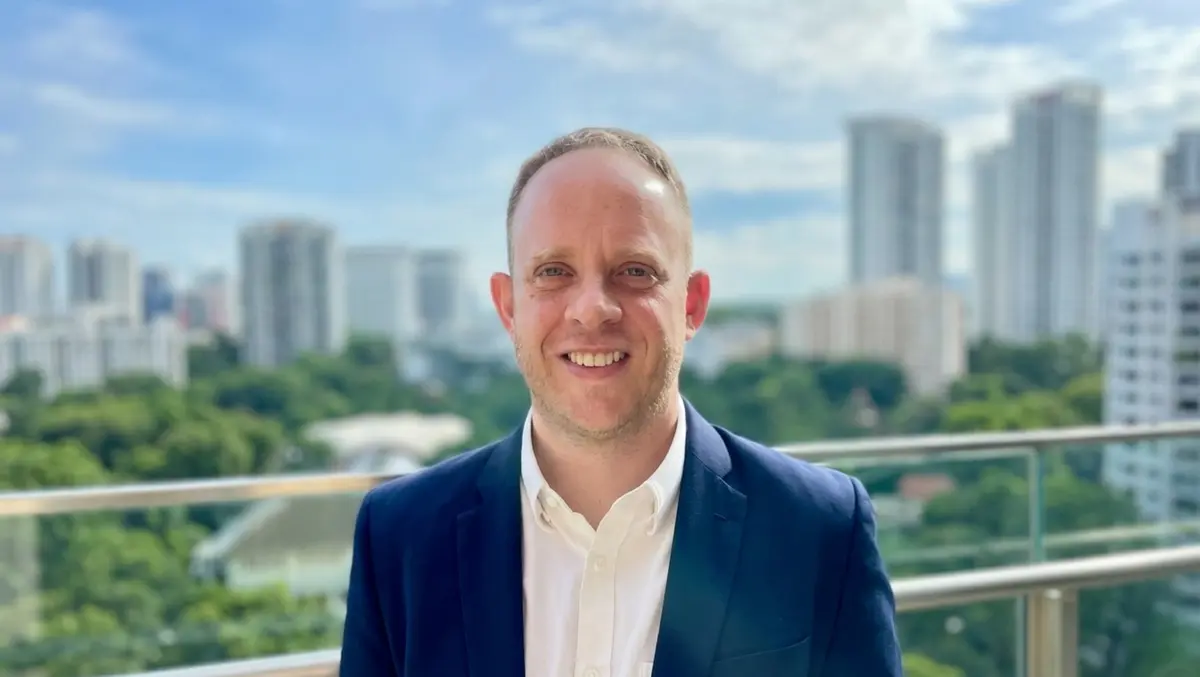
Tom Osborne, managing director for Hays Southeast Asia, said Singapore's technology hiring market is becoming more selective as organisations scale AI adoption and focus on roles that deliver measurable impact.
"While automation is reshaping some entry-level work, the evidence shows AI is largely enhancing productivity and redefining job scopes rather than driving widespread displacement," he said.
Osborne said employer demand is narrowing around functions closely tied to business outcomes and risk control.
"In practice, this evolution is translating into highly focused demand for technology skills that directly support efficiency, resilience and regulated innovation. Hiring momentum is centred on applied AI, data engineering and cybersecurity, particularly where these capabilities underpin product development and risk management," he said.
He added that hiring strategies are changing as employers weigh costs against access to specialist staff.
"Today's market is increasingly defined by selective investment in scarce, high-impact expertise, with organisations also turning to contracting as a viable and flexible alternative to secure specialist capability. This is driving sharper salary differentiation and faster hiring outcomes for senior and niche roles, as companies navigate a more disciplined and outcomes-driven hiring environment," Osborne said.